 how-to
How to Sell High-End Homes: A 2026 Luxury Guide
Table of Contents
- Why Selling a High-End Home Demands a Different Playbook
- Step 1: Hire an Agent With Luxury-Market Experience
- Step 2: How to Price a Luxury Home Without Guesswork
- Step 3: Prepare the Property for a Luxury Buyer
- Luxury Home Staging Tips That Change the Showing
- Luxury Real Estate Marketing Strategies That Reach Qualified Buyers
- How Long Does It Take to Sell a Luxury Home?
- Conclusion
- Frequently Asked Questions
Last Updated: October 8, 2026
Why Selling a High-End Home Demands a Different Playbook
Selling a high-end home is not the same as selling a standard one. The buyer pool is smaller, the stakes are higher, and every detail is scrutinized. This guide from Rhonda Scott breaks down the exact steps to sell high-end homes in today's market.
Price a luxury property wrong and it sits for months. Stage it poorly and serious buyers never book a second showing. Reach the wrong audience and your listing never gets in front of the people who can actually afford it.
The luxury market moves differently. Fewer buyers mean fewer offers, and each one carries more weight. That changes everything about how you price, present, and market a property.
Rhonda Scott has worked in Southern California luxury real estate for more than 26 years. That experience shapes every step below.
Here is the core tension: most sellers apply standard tactics to a luxury property and wonder why it stalls. The homes that sell fast and close strong follow a different process.
Below, we walk through each step, from hiring the right agent to closing the deal.
Step 1: Hire an Agent With Luxury-Market Experience
The first step is choosing an agent who works in the luxury tier regularly. This matters more than any other decision you make.
Luxury deals bring complications that standard sales rarely touch. Discretion requests, out-of-state buyers, complex financing, and unique property features all demand experience.
A common mistake is hiring an agent based on volume alone. High transaction counts mean little if none of those deals were in your price range.
What should you look for?
- A track record in your specific market and price band
- A clear plan for reaching qualified buyers
- Experience with off-market and private sales
- Strong negotiation history on high-value deals
Ask directly about privacy. Many luxury sellers need discretion, and a good agent will explain how they protect your information during the sale.
Step 2: How to Price a Luxury Home Without Guesswork
Pricing a luxury home is the hardest part of the process. Standard comparable sales often fall short when a property has custom features, a unique lot, or a location with few true peers.
So how do you price a luxury home when the comps don't line up? You build a defensible range from multiple angles, then narrow it with judgment and evidence.
Start With the Data You Actually Have
Pull the most recent closed sales of high-end properties in your submarket, then widen the search radius and time window until you have enough data points to see a pattern. In thin luxury markets, that may mean looking at sales from the past 12 to 24 months and expanding to nearby luxury enclaves rather than the immediate neighborhood.
Layer in:
- Active listings that compete directly with yours
- Pending sales, which show what buyers are committing to right now
- Expired and withdrawn listings, which reveal where the ceiling sits
- Price-per-square-foot trends, used carefully because luxury square footage is rarely uniform
Make Adjustments Like an Appraiser
When comps aren't identical, you adjust. The mechanism is straightforward: if a comparable sold for less because it lacks a feature your home has, you add value for that feature. If it sold for more because it sits on a better lot, you subtract.
Common luxury adjustments include:
- Lot size, privacy, and view quality
- Waterfront, golf, or protected-open-space frontage
- Renovation age and quality of finishes
- Bedroom and bathroom count, plus accessory structures
- Location within the submarket, including school and noise factors
Each adjustment is an estimate, not a fact. The goal is a range, not a single number.
Account for the Net, Not Just the List Price
The asking price is a headline. What matters is what you keep. Build a simple net sheet before you commit to a number:
- Agent commissions
- Seller-side closing costs, title, escrow, and transfer fees
- Preparation costs: staging, repairs, landscaping, and pre-listing inspection
- Concessions you may need to offer to close
- Any capital gains or tax exposure, which you should confirm with a qualified tax professional
A higher list price that stalls for six months and closes with a large concession often nets less than a slightly lower price that attracts a serious buyer quickly.
Test the Price Against Buyer Psychology
Luxury buyers are informed and often advised. An inflated launch price reads as a signal that the seller isn't serious, and that impression is hard to undo. A common pattern is a listing that sits past the first 30 days, then chases the market down with cuts that never recover the original momentum.
A better approach is to price at the top of the defensible range, document the reasoning, and hold. If showing activity is thin after the first two to three weeks, revisit the data before cutting.
Step 3: Prepare the Property for a Luxury Buyer
Preparation separates homes that sell from homes that linger. Luxury buyers expect a property that looks and feels move-in ready.
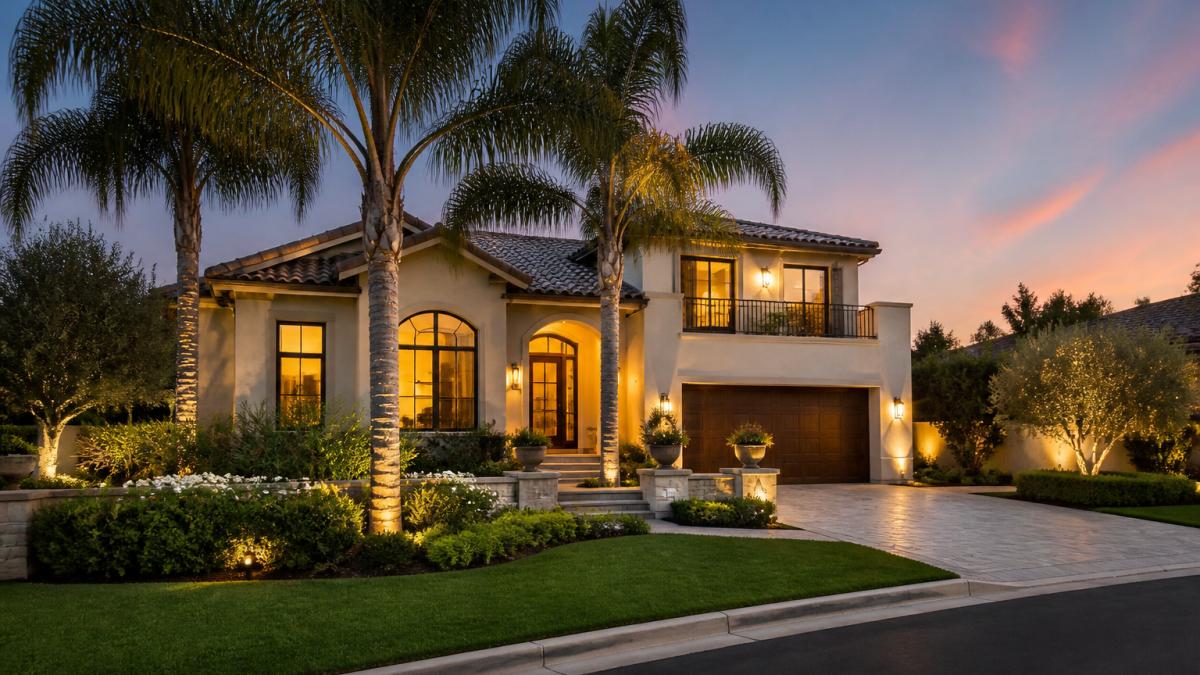
Start with repairs. Fix the small things first: leaky faucets, scuffed walls, worn caulk, and squeaky doors. These details add up in a buyer's mind.
Then focus on curb appeal. Trim landscaping, pressure-wash walkways, and refresh the entry. First impressions form before a buyer steps inside.
Inside, declutter and depersonalize. Buyers need to picture themselves in the space, not see your family photos on every wall.
A pre-listing inspection helps too (Before You Sell: 6 Reasons to Get a Pre-Listing Inspection). It surfaces problems early, so you can fix them on your timeline instead of during negotiation.
Luxury Home Staging Tips That Change the Showing
Professional staging is not optional in the luxury tier. It shapes how buyers feel the moment they walk in.
Good luxury home staging tips go beyond furniture placement. They set a mood and show how each room functions.
What works:
- Use high-quality furnishings that match the home's style
- Keep rooms bright with layered lighting
- Highlight unique amenities like wine cellars or home theaters
- Avoid clutter and personal items entirely
Staging also helps with photography. A well-staged home photographs better, and better photos draw more qualified buyers.
Luxury Real Estate Marketing Strategies That Reach Qualified Buyers
Marketing a luxury home means reaching a small, specific audience. Mass advertising wastes money. Targeted luxury real estate marketing strategies find the right buyers, and, just as important, they protect the seller's privacy while doing it.
Build the Plan Around the Property, Not a Template
A waterfront estate, a historic home, and a new-construction spec house need different positioning. Before choosing channels, decide what the property is actually selling: privacy, views, architecture, land, or a lifestyle. That decision drives the imagery, the copy, and where the listing appears.
A workable channel mix usually includes:
- Professional photography and video, shot to match the property's strongest feature
- Virtual tours and 3D walkthroughs for out-of-area and international buyers
- Placement on luxury-focused listing platforms and brokerage networks
- Direct outreach to your agent's network of other agents and past clients
- Selective print and event marketing where the local luxury market still responds to it
Reach Buyers Who Aren't Local
Many luxury purchasers shop from another state or another country. They need to tour a home before they fly in, which makes video and virtual tours the highest-leverage assets in the campaign. Time-zone-friendly scheduling, remote showings, and clear documentation help those buyers move from interest to offer without a wasted trip.
Protect Privacy During the Campaign
Discretion is a real concern for high-net-worth sellers. Address it in the plan:
- Control who gets access to the property and when
- Limit sensitive details in public listings, such as exact owner information or security layouts
- Consider off-market or private sale options when the seller wants to avoid a public campaign entirely
- Secure or remove valuables before showings
Measure What the Marketing Is Actually Doing
A luxury campaign should be judged on evidence, not impressions. Track the metrics that predict a sale:
- Qualified inquiries, not raw leads
- Showing requests and showing-to-offer conversion
- Days on market compared with similar listings
- Price reductions and the reasons behind them
Review the numbers after the first two to three weeks. If qualified inquiries are thin, the issue is usually price, photography, or audience, not the property itself. Adjust one variable at a time so you can tell what worked.
How Long Does It Take to Sell a Luxury Home?
There is no fixed timeline, but luxury homes usually take longer to sell than standard ones. A smaller buyer pool means more time between showings and offers.
Several factors decide your selling timeline:
- Your asking price relative to the market
- The property's condition and presentation
- How well your marketing reaches qualified buyers
- The current pace of your local market
A well-priced, well-presented home sells faster. Overpriced or poorly staged homes sit.
Track your performance as you go. Watch showing requests, online views, and buyer feedback. If interest is low, adjust your strategy early rather than waiting months.
Conclusion
Selling a high-end home takes the right agent, sharp pricing, and a marketing plan built for a small buyer pool. Get any one of those wrong and the process drags.
Rhonda Scott brings more than 26 years of Southern California luxury experience to every listing. Her approach pairs accurate valuation, thoughtful property presentation, and targeted marketing that reaches serious buyers. From the first conversation through closing, she keeps your goals at the center of the process.
Ready to sell your high-end property with confidence? Get started with Rhonda Scott and build a strategy made for your home.
Frequently Asked Questions
What should I do to prepare a luxury home for sale?
Start with a pre-listing inspection so you can fix issues before buyers see them. Then address repairs, deep cleaning, and landscaping. Professional staging and high-quality photography follow. Your agent should coordinate tradespeople and a stager who understands high-end property presentation. The goal is to remove every reason a qualified buyer might hesitate.
How should I price a high-end home without comparable sales?
Use a tiered approach: analyze recent sales of similar luxury properties, adjust for unique features, and review current competition. For custom homes with no direct comps, a luxury agent can use cost-to-replicate and income-approach methods as secondary checks. Pricing depends on condition, location, and buyer demand, so ask your agent for a written valuation before listing.
How long does it usually take to sell a luxury home?
Luxury homes typically sell more slowly than entry-level properties because the buyer pool is smaller. In many markets, 60 to 120 days on market is common, though unique properties can take longer. Pricing correctly from day one, staging well, and marketing to a global network of qualified buyers all shorten the timeline. Your agent should track showing activity and adjust the strategy if interest stalls.
How do you market a luxury property to qualified buyers?
A strong luxury marketing plan combines professional photography, video tours, and a property website with targeted online advertising and direct outreach to an agent network. Off-market and private showings matter for privacy-conscious sellers. The goal is to reach buyers who can actually close, not just generate clicks. Ask your agent how they measure listing performance beyond days on market.