 blog
New Development Luxury Homes California: A Curated Guide
Last Updated: November 19, 2026
Quick Summary
New development luxury homes in California are priced by region, from roughly $1.2M in the Sacramento region to $12M+ in the Bay Area and Silicon Valley. Budget beyond the list price for lot premiums, design upgrades, landscaping, HOA dues, and Mello-Roos assessments. Verify construction stage, builder incentives, and warranty terms in writing before removing contingencies.
- Coastal Orange County estates typically start between $3M and $8M+ with thin inventory and short decision windows.
- Design center upgrades often run 5%-20% of base price, so set a written budget before visiting the studio.
- Ask builders to document every incentive in writing, including expiration dates and affiliated-lender conditions.
- Skipping a pre-drywall inspection is one of the most common and costly shortcuts new-construction buyers take.
- Compare developments on total cost of ownership at the same finish level, not on list price alone.
Table of Contents
- California Luxury New Construction Homes: What Buyers Are Finding Now
- Comparing Top New Developments by Region
- Orange County New Construction Luxury Homes: Where the Market Stands
- Dana Point New Construction Homes and Coastal Community Living
- New Development Luxury Homes California for Sale: Pricing and Costs Beyond the Purchase Price
- Construction Timelines, Move-In Readiness, and Due Diligence
- Schedule a Private Tour of New Developments
- Frequently Asked Questions
California Luxury New Construction Homes: What Buyers Are Finding Now
New development luxury homes in California reward buyers who understand how the market actually works before they tour a single property.
The appeal is easy to see. Newly built homes offer modern design, current building standards, and floor plans that fit how people live now. What buyers often underestimate is how much the buying process changes when the seller is a builder rather than an individual owner.
A common mistake is treating a new development purchase like a resale purchase. It is not. Pricing, incentives, customization windows, and completion timelines all follow the builder's playbook, and the terms vary sharply from one community to the next.
Below, we break down what is actually available across the state's luxury new-build market, how regions compare, and what to verify before you sign.
Comparing Top New Developments by Region
Luxury new construction in California is not one market. It is a collection of regional markets with different price structures, lot sizes, architectural styles, construction timelines, and buyer profiles. The table below compares the major regions on the dimensions that actually change a purchase decision: typical product, entry price band, construction status you are likely to encounter, and the risk that most often trips up buyers.
| Region | Typical Product | Typical Starting Price Band | Common Construction Status | Buyer Profile | What to Watch |
|---|---|---|---|---|---|
| Coastal Orange County | Custom and semi-custom estates, ocean-view lots | $3M-$8M+ | Move-in ready and limited presale releases | Primary and vacation buyers | Lot premiums, view corridors, HOA architectural rules |
| Los Angeles | Hillside modern, infill luxury | $2.5M-$10M+ | Spec homes and short presale windows | Primary buyers, investors | Slope stability, permit history, privacy, fire exposure |
| Bay Area and Silicon Valley | Contemporary estates, gated communities | $3M-$12M+ | Presale and build-to-suit | Relocation and executive buyers | Commute access, school boundaries, lot coverage |
| San Diego County | Coastal modern, infill and master-planned | $2M-$6M+ | Move-in ready and phase releases | Primary and second-home buyers | Coastal commission rules, lot size, HOA dues |
| Sacramento region | Larger lots, newer master-planned communities | $1.2M-$3M+ | Phased releases, some presale | Move-up and relocating families | Phase timing, amenity build-out schedules, Mello-Roos |
Coastal Orange County
Coastal Orange County is where new development luxury homes in California generally command strong premiums. Ocean proximity, established infrastructure, and limited land all push values upward.
That means inventory is often thin. Buyers should expect to move quickly when a release opens and to review association rules that govern exterior finishes and landscaping.
Los Angeles and the Bay Area
Los Angeles and the Bay Area serve different buyers, but both reward preparation. Los Angeles leans toward hillside modern architecture and view-driven design. The Bay Area and Silicon Valley favor gated communities and contemporary estates built around privacy and convenience.
In both regions, lot conditions matter more than buyers expect. Slope, drainage, and soil reports on hillside parcels deserve a close read before you commit, and wildfire exposure in the hillside and canyon areas affects insurance availability as much as it affects design.
San Diego County and the Sacramento Region
San Diego County sits between the coastal and inland markets: coastal modern product commands a premium, while infill and master-planned communities inland offer more square footage per dollar. The Sacramento region is the outlier in this comparison. Larger lots and newer master-planned communities make it the most attainable entry point for luxury new construction in the state, but buyers there should scrutinize phase timing and community facilities district assessments, which can add meaningfully to the annual tax bill.
How to Use This Comparison
Use the comparison to narrow your search, not to set your budget. Confirm which developments are actively selling in each region, and compare starting prices, included features, and completion dates side by side.
Orange County New Construction Luxury Homes: Where the Market Stands
Orange County new construction luxury homes sit at the intersection of scarcity and sustained demand. Coastal communities have little undeveloped land left, so most new product comes from redevelopment rather than greenfield building.
That dynamic shapes everything. Builders prioritize finish quality and design distinction because they are competing for a small pool of discerning buyers. Buyers, in turn, face limited selection and short decision windows when a desirable release becomes available.
We recommend grounding any Orange County decision in current market data rather than general impressions. Local inventory and pricing shift by community and season, and coastal Orange County market trends give you the context to read a specific listing accurately.
Dana Point New Construction Homes and Coastal Community Living
Dana Point new construction homes appeal to buyers who want coastal living without the density of larger beach cities. The harbor, the bluffs, and the surrounding coastal communities create a distinctly relaxed character that new builds here tend to reflect.
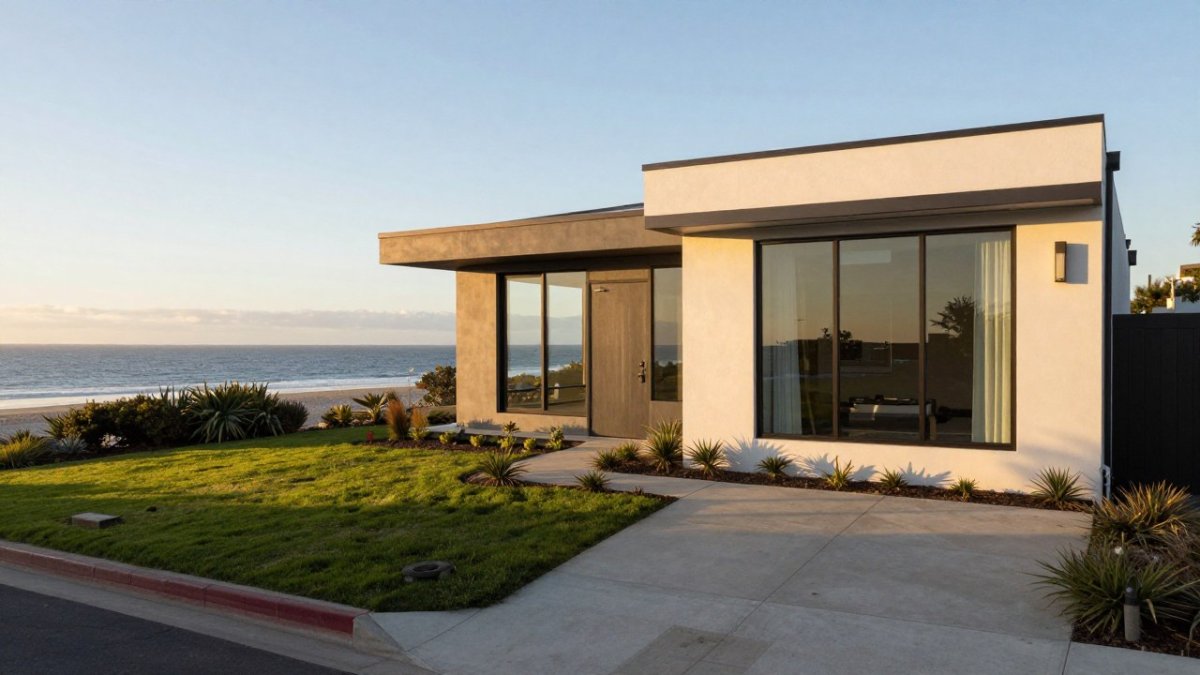
Community features do real work in this market. Private pools, outdoor living areas, proximity to parks and trails, and ocean views all influence both value and daily lifestyle.
For a focused look at what is planned and available locally, our guide to new construction luxury homes in Dana Point covers the current landscape in more detail.
New Development Luxury Homes California for Sale: Pricing and Costs Beyond the Purchase Price
The list price on a new development luxury home in California is a starting point, not the full number. Several costs sit outside it, and buyers who plan for them negotiate from a stronger position. The table below shows the cost layers most luxury new-build buyers encounter, with typical ranges and the questions to ask before you reserve.
| Cost Layer | What It Covers | Typical Range | Ask the Builder |
|---|---|---|---|
| Lot premium | View, corner, or oversized lot | 2%-15% of base price | Which lots carry premiums, and are any waived in current incentives? |
| Design center upgrades | Flooring, cabinetry, fixtures, smart-home | 5%-20% of base price | What is included in the base package versus optional? |
| Landscaping and hardscape | Rear yard, driveway, outdoor living | $50,000-$300,000+ | Is any exterior finish included at delivery? |
| HOA dues | Community maintenance, amenities | $300-$1,500+ per month | What do dues cover, and what special assessments are planned? |
| Community facilities district (Mello-Roos) | Bonds for roads, schools, utilities | Varies by community; often several thousand dollars per year | What is the current annual amount, and when does it step down? |
| Insurance | Hazard, wildfire, flood where applicable | Varies sharply by location | Is the home insurable at standard rates, and what wildfire mitigation is built in? |
| Closing costs | Title, escrow, lender fees, prepaids | 1%-3% of purchase price | Which fees does the builder cover in current incentives? |
How Builder Incentives Actually Work
Builders often price to move inventory, and incentives may be available. Buyers should ask builders which incentives, if any, are currently offered. The mechanism matters: a rate buydown lowers your monthly payment for a set period, while a closing-cost credit reduces cash needed at signing, and a design allowance only has value if you were going to spend that money anyway.
Ask for every incentive in writing, with the expiration date and the conditions attached. Incentives are frequently tied to using the builder's affiliated lender or title company, and that requirement can offset part of the benefit. Compare the builder's loan estimate against at least one outside lender before you accept.
Customization Is Where Budgets Move Most
A design studio allowance sounds generous until you price the finishes you actually want. Buyers who visit the design center without a written budget can easily spend more than they planned, because upgrades are often presented as small increments against a large purchase price. Set your upgrade budget before you visit, decide which upgrades hold resale value (flooring, cabinetry, energy features) and which are personal preference, and get the upgrade price list in advance so you can compare against outside vendors.
Upgrades financed into the purchase price are paid for over the life of the loan, so their total cost can exceed their face value.
Comparing Total Cost Across Developments
The only fair comparison is total cost of ownership at the same finish level. For each development on your shortlist, add base price, lot premium, the upgrades you actually want, landscaping, and the present value of HOA dues and any facilities district assessments over your expected holding period. That number, not the list price, is what you negotiate against, and it is the figure most listing portals never show you. Confirm current figures directly with the builder and review the full luxury buying process so nothing gets missed between reservation and closing.
Construction Timelines, Move-In Readiness, and Due Diligence
Completion status changes the entire transaction. Move-in ready homes let you inspect what you are buying. Homes still under construction require you to evaluate plans, specifications, and the builder's track record instead.
Ask three questions about any timeline: What is the current construction stage? What contingencies could delay completion? What happens to your deposit if delivery slips? Get the answers in writing.
Due diligence on new construction goes beyond a standard inspection. Review the builder's license and history, the soil and structural reports, warranty terms, and the HOA's governing documents before your contingency period ends. Watch out: skipping a pre-drywall inspection is one of the most common and costly shortcuts buyers take, because problems hidden behind finished walls are expensive to correct later.
Our breakdown of the due diligence steps luxury buyers skip is worth reading before you remove contingencies.
Schedule a Private Tour of New Developments
Seeing a development in person settles questions that listings and floor plans cannot. You can judge ceiling heights, natural light, finish quality, and how a community actually feels on a weekday afternoon.
Private tours can be arranged to fit your schedule and shortlist. If you want to start with a specific property, you can view a Dana Point new-construction listing and request a showing.
Bring your questions about pricing, timelines, and builder terms. The earlier those surface, the more room you have to negotiate.
Buying in a new development asks more of you than a resale purchase: more documents, more variables, and more decisions made before the home exists. Rhonda Scott guides buyers through that process with local knowledge of coastal Orange County and Los Angeles, and more than 24 years of experience.
Frequently Asked Questions
How do I find luxury new construction homes for sale in California?
Start with a curated list of new developments rather than open listing portals, which mix resale and new construction. Filter by region, builder reputation, completion status, and move-in readiness. Working with an agent who specializes in new development can help you navigate the market and its pricing context.
What costs should buyers expect beyond the purchase price of a new luxury home?
Beyond the base price, budget for lot premiums, design studio upgrades, landscaping, window treatments, and HOA or community fees. New-build buyers also pay for property taxes based on the assessed value, title and escrow fees, and sometimes construction-period deposits. Ask the builder for a full cost sheet before signing, and confirm which upgrades are structural versus cosmetic.
Are new construction homes more expensive than resale homes?
New construction often carries a premium because of modern design, updated building standards, and warranty coverage. In many California luxury markets, the gap narrows once you account for renovation costs on older homes. Compare price per square foot, included features, and energy performance rather than list price alone to see which option delivers more value for your goals.
What should I look for when buying a newly built luxury home?
Review the builder's track record, completion timelines, and warranty terms. Inspect the floor plans and included features against the model home, since models often show upgrades that cost extra. Confirm move-in readiness, check neighborhood amenities and community features, and hire an independent inspector before closing.